
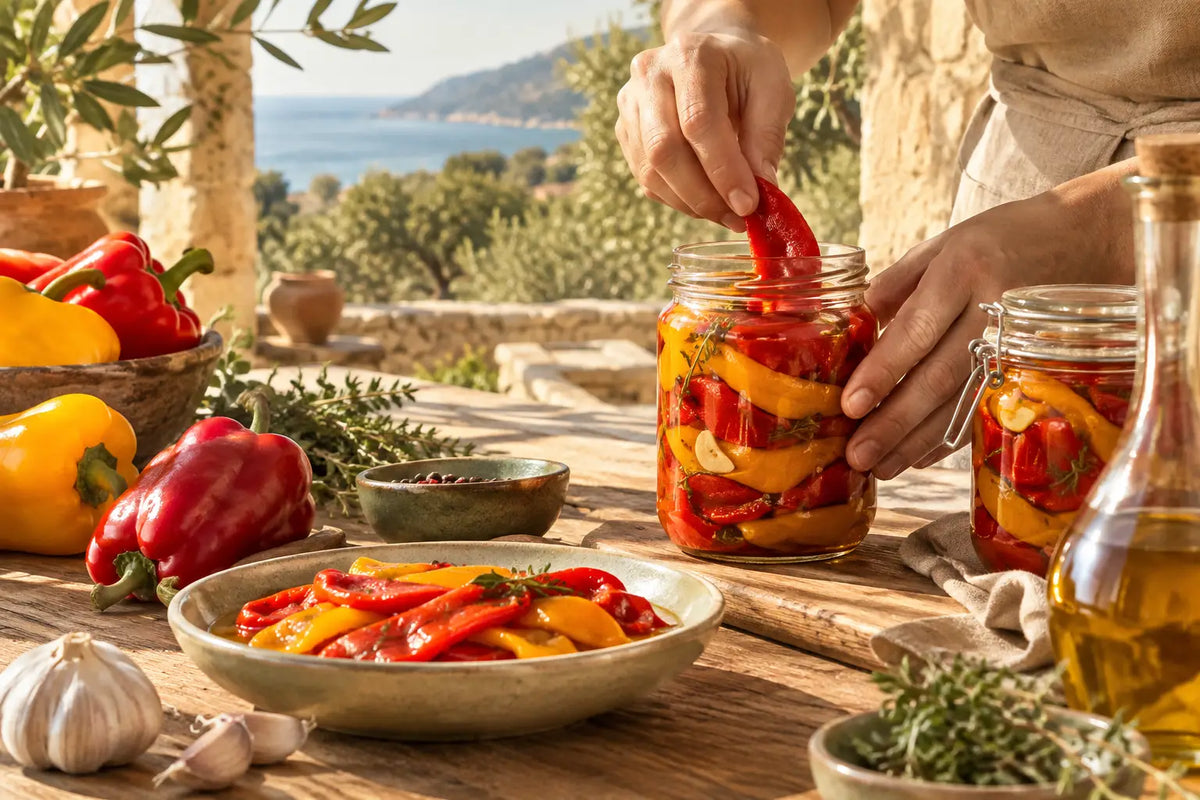
Roasted peppers, glistening with good olive oil, with garlic, herbs and a clear, fruity sweetness: that is exactly how antipasti should taste. But if you want to preserve roasted pepper antipasti, you need to consider more than a nice jar and a generous layer of oil. Taste requires care. Safety even more so.
The good news: with clean work, low temperatures and a realistic storage time, peppers can be prepared perfectly. No industrial processing. No preservatives that mask their natural flavor. But also no risky kitchen myths.
Preserving roasted pepper antipasti: oil alone is not enough
Olive oil is a flavor carrier, not a reliable preservative. It protects the peppers from contact with air and keeps the surface juicy. However, it does not automatically prevent the growth of unwanted germs. Garlic in oil deserves special attention: under anaerobic conditions, improper storage can lead to the multiplication of bacteria that can neither be seen nor smelled.
The clear rule is therefore: homemade roasted pepper antipasti with oil, herbs or garlic belongs in the refrigerator. Not in the pantry, and not left on the kitchen counter for weeks. If you want to keep a jar shelf-stable at room temperature, you need a tested recipe for acidity and canning. A dash of vinegar added by intuition is not a proper process.
This is not about compromise, but about respecting good food. Fresh peppers taste too good to lose through carelessness.
The best foundation: ripe peppers and clean preparation
Use firm, fully ripe red or yellow peppers without soft spots, mold or damaged skin. Red peppers usually offer the most intense sweetness, while yellow peppers are more delicate and mild. Green peppers are more bitter and are better suited if the antipasti is intended to be deliberately more savory and less sweet.
Jars, lids, knives and work surfaces must be clean. Wash the jars thoroughly in hot water, let them dry completely, and avoid touching the inner rim afterwards as much as possible. This may sound trivial, but it also determines whether your preparation will still taste fresh after a few days.
The peppers should also be thoroughly dried after washing. Residual water dilutes the marinade and shortens shelf life. Cut away spoiled areas generously. In the world of delicatessen, being stingy in the wrong place rarely tastes good.
Roasting, peeling and cooling the peppers
The crucial flavor is not created in the jar, but during roasting. Place halved and deseeded peppers skin-side up on a baking tray and roast them under high radiant heat until the skin blisters and turns dark, and even black in places. These dark spots are not a mistake. They bring roasted aromas and make peeling easy.
Then place the hot peppers in a bowl and cover them for about ten minutes. The steam loosens the skin. Peel it off afterwards without rinsing the peppers under running water. Water washes away aromas that would otherwise be missing from every forkful.
Let the peeled pieces cool completely before putting them in the jar. Warm peppers create condensation. This is exactly the extra moisture you do not want in an oil-based marinade.
The marinade: few ingredients, clear roles
Good antipasti does not need a show of spices. Salt enhances the sweetness, a mild vinegar or lemon juice adds vibrancy, and herbs provide depth. For a well-rounded Mediterranean flavor, oregano, thyme or a little marjoram are suitable. Garlic is possible, but should be used sparingly and stored exclusively in the refrigerator.
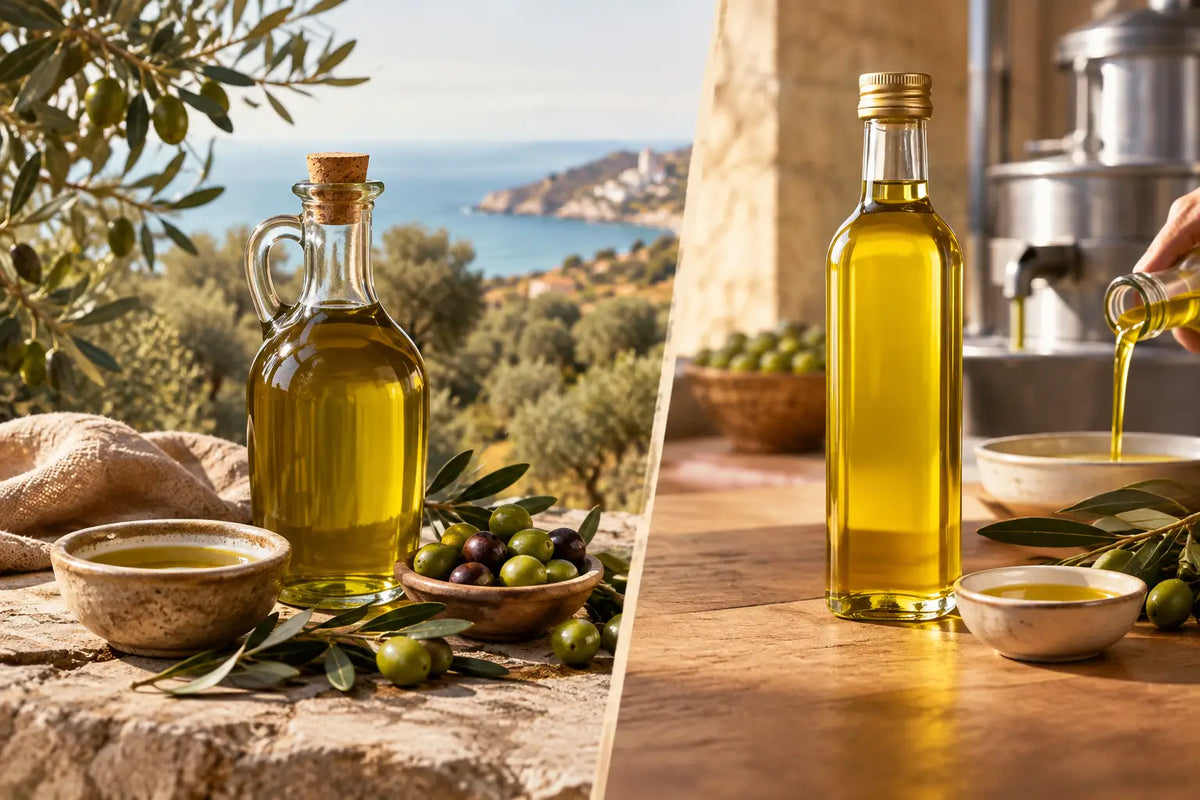
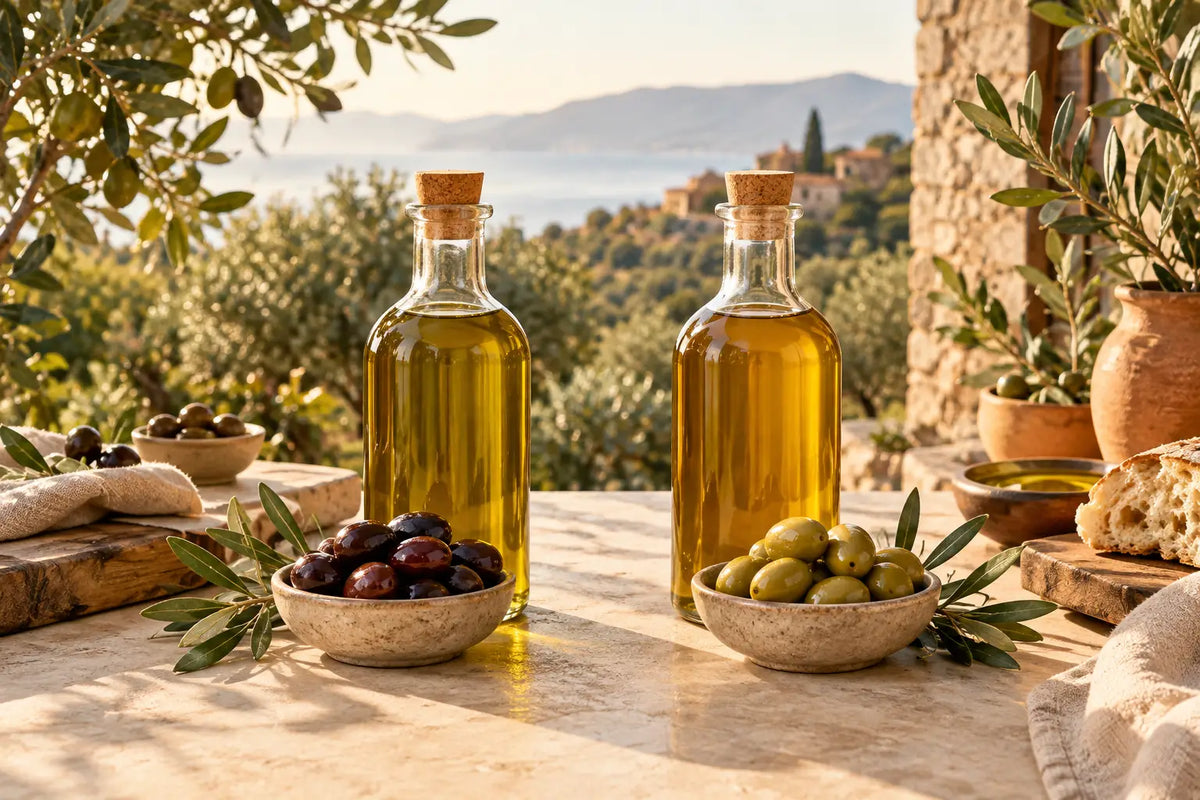
When it comes to oil, consistency pays off. A fresh extra virgin olive oil combines the sweet peppers with herbs and acidity, rather than making everything taste greasy and flat. It can be fruity, and with intensely roasted peppers, even slightly piquant. A stale, neutral oil quickly turns honest ingredients into a heavy dish.
Pack the peppers and herbs loosely into the jar and cover everything with oil. Do not press the pieces together forcefully. The marinade should flow around the peppers, not be squeezed out of a compact block of vegetables. Only seal the jar once the contents have cooled.
How long do homemade roasted pepper antipasti last?
In the refrigerator at a maximum of 4 to 5 degrees Celsius, you should eat homemade roasted pepper antipasti within three to five days. With very clean preparation, no fresh garlic, and sufficient acidity, up to seven days may be possible. If you want to be on the safe side, prepare smaller quantities and make fresh batches more often.
Always remove the peppers with clean, dry utensils. A fork that was previously on the plate brings crumbs, moisture and germs into the jar. Do not also leave the jar on the table for long periods without refrigeration while eating. Antipasti can be relaxed, but the cold chain cannot.
For longer-term planning, freezing is the better solution. Roast and peel the peppers, let them cool, and freeze them in portions. Add the marinade of olive oil, vinegar and herbs only after thawing. This keeps the texture and flavor much clearer than in an oil jar stored for too long.
Shelf-stable in the pantry? Only with a tested canning process
Many recipes promise peppers in oil that will last for months. The problem: visible cleanliness and a tight lid are not proof of microbiological safety. Peppers are low-acid vegetables. Therefore, different rules apply in an oily, low-oxygen environment than for jam or pickled cucumbers.
For shelf-stable storage jars, you need a reliably tested canning recipe with exactly specified acidity levels, jar size, heating time and processing method. Do not change the ratio of peppers to acidity on your own, do not replace vinegar with lemon juice to taste, and do not add fresh garlic if the recipe does not explicitly call for it.
If you do not use a tested process, store the antipasti consistently in the refrigerator and treat it as fresh delicatessen. This is the better decision when origin, craftsmanship and enjoyment matter more than as long a best-before date as possible.
How to tell if the antipasti is no longer good
Do not rely on smell alone. A bulging lid, bubbles forming for no apparent reason, mold, slimy pepper pieces or an unusually cloudy marinade are clear reasons to discard the entire jar. Do not taste it. Do not remove the top layer. Do not try to save it with additional vinegar.
An oil that becomes cloudy or solid in the refrigerator is not an alarm signal. Extra virgin olive oil reacts to cold and becomes clear again as soon as it warms up slightly. This is a natural effect and says nothing about the quality of the peppers.
How to serve roasted pepper antipasti with style
Take the jar out of the refrigerator about 15 minutes before serving. Then the oil becomes more fluid again, and the aromas open up. Serve the peppers with toasted sourdough bread, feta, grilled fish or as a sweet counterpoint to bitter radicchio.
The marinade also works particularly well elsewhere: a spoonful over white beans, in a vinaigrette or over warm potatoes turns a side dish into a meal. This is exactly why good oil is worth it. It does not simply preserve the appearance, but carries the flavor right down to the last drop.
Better make a small jar that will be joyfully finished in a few days than a questionable supply for months. Mediterranean cuisine does not live on endless storage. It lives on ripe ingredients, clean craftsmanship and the moment when bread, peppers and good olive oil come together.

Leave a comment
All comments are moderated before being published.
This site is protected by hCaptcha and the hCaptcha Privacy Policy and Terms of Service apply.