
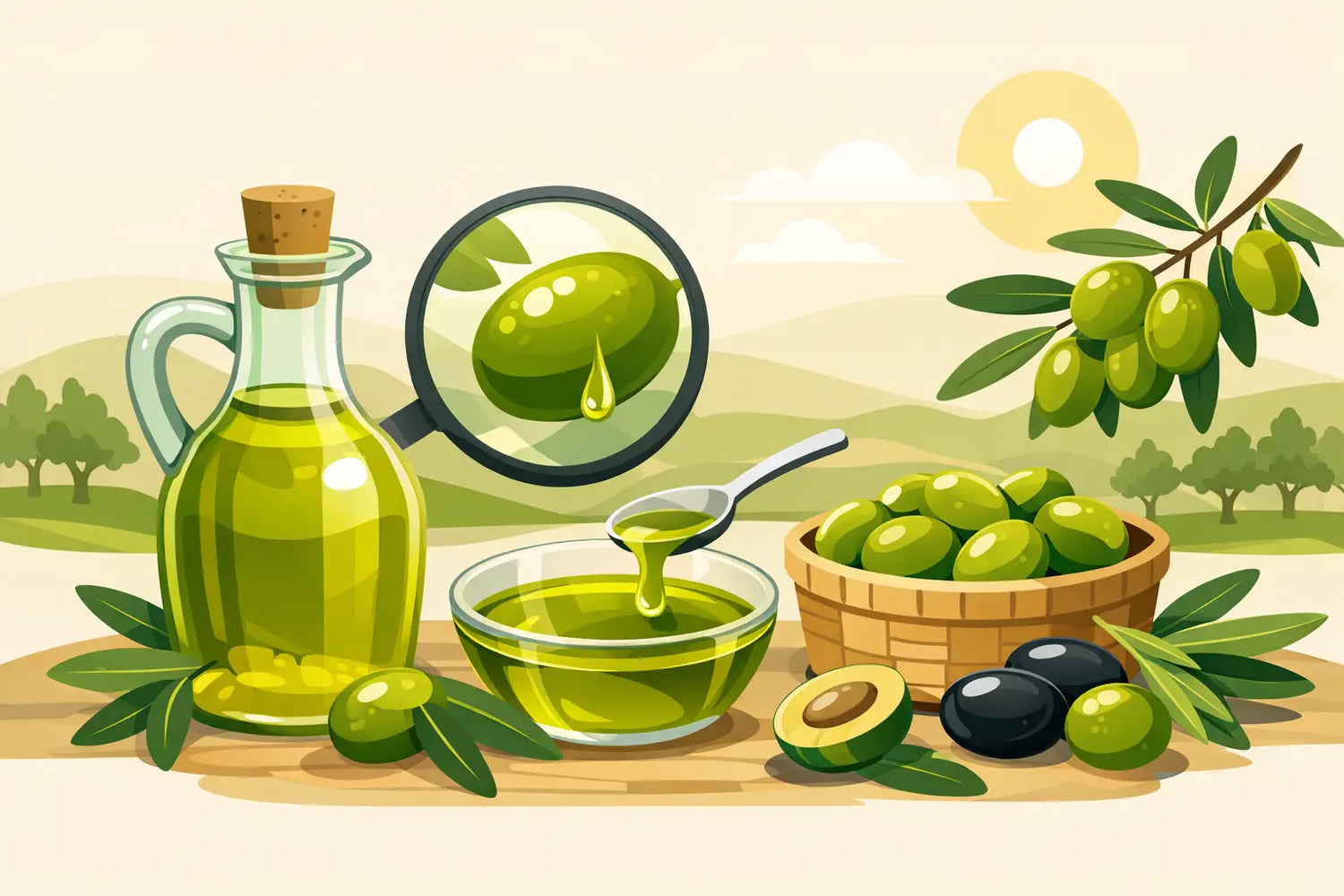
Anyone who has ever tasted truly fresh, new-harvest olive oil immediately notices how far removed it is from anonymous commercial products. There's not just more aroma in the bottle. There's more life in it – green notes, a clear pungency, a fine bitterness, a scent of fresh leaves, herbs, or tomato vines. This is precisely what distinguishes real extra virgin olive oil from oil that primarily looks good but has little to say.
Why Fresh, New-Harvest Olive Oil is in Such High Demand
New harvest isn't just a trendy label. It describes a point in time when olive oil can be at its sensory peak. Immediately after harvest and fresh processing, the volatile aromas are clearest, the structure feels vibrant, and many high-quality oils then exhibit the bitterness and pungency that can be accompanied by a high content of polyphenols.
This doesn't mean that every young oil is automatically better. But it does mean that freshness is a real quality factor for olive oil. Unlike wine, olive oil does not improve with long storage. Over time, it loses aromas, fruitiness, and tension. That's why the question of new harvest is not a trivial matter for discerning buyers, but the core of the issue.
What New Harvest Really Means for Olive Oil
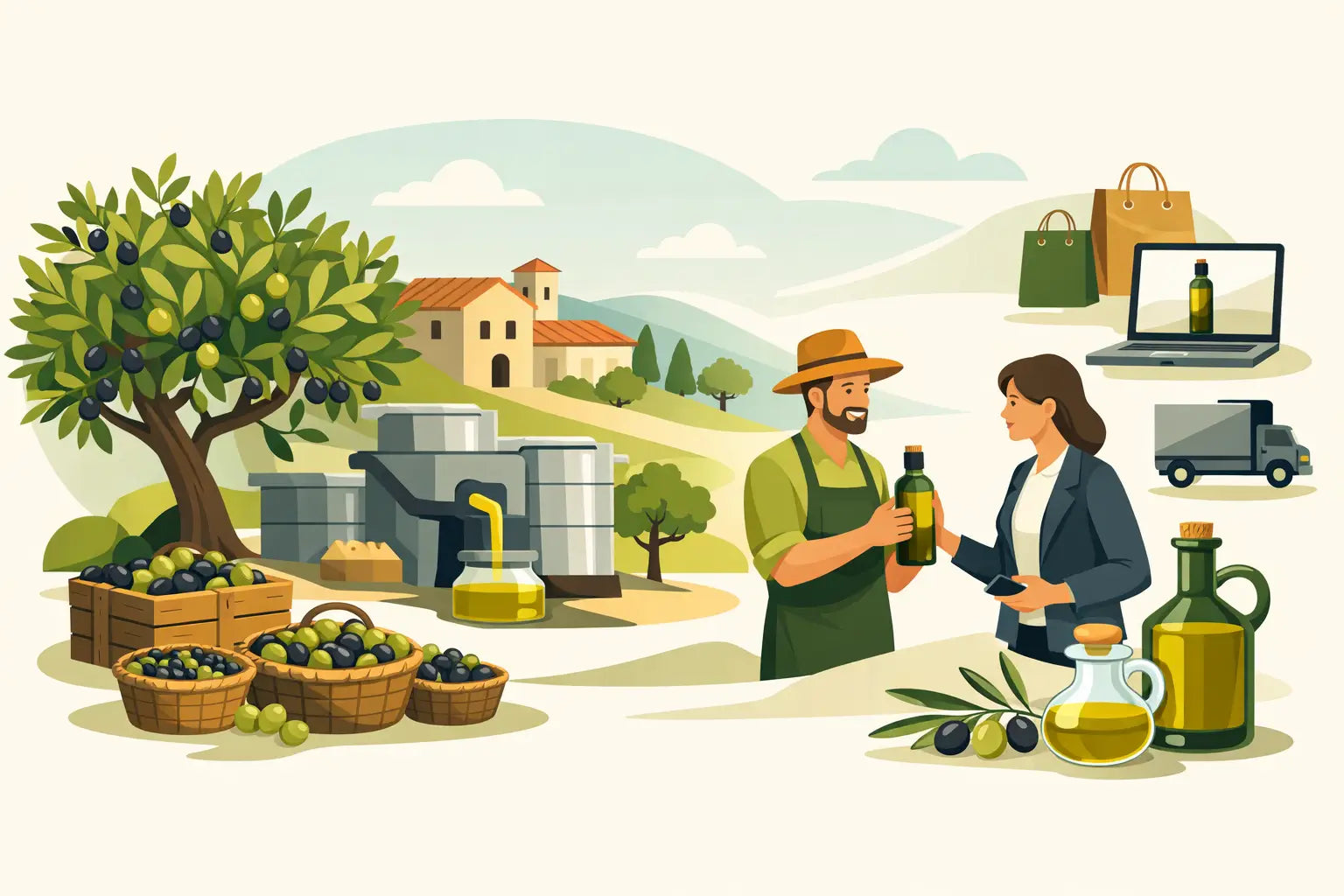
Ideally, the oil comes from the current harvest season, was processed shortly after picking, and bottled without long interim storage. The decisive factor is not just the harvest year, but the entire chain: When were the olives harvested? How quickly did they reach the mill? Was the work clean? And is it traceable where the oil actually comes from?
This is precisely where the difference between craft and industry begins. With transparently produced oil, the origin can often be clearly identified – variety, region, harvest window, mill. For many supermarket oils, the information ends with a vague EU blend. This is convenient for trade but weak for anyone who wants to know what they are actually eating.
Recognizing Fresh, New-Harvest Olive Oil: The 5 Most Important Signs
1. The Harvest Window is Clearly Stated
A good oil doesn't hide its age. If a brand openly states the harvest year or month, that's usually a good sign. Those who take freshness seriously talk about it. If there's no information at all, you should look more closely.
The best-before date is not sufficient for this. It only states how long a product should last unopened. It doesn't reveal when it was harvested. Months can pass between harvest and bottling. If you're looking for fresh oil, you need more than a standard label.
2. The Scent is Green, Clear, and Present
Freshness is first recognized by the nose. High-quality new-harvest oil often smells of freshly cut grass, green apple, herbs, artichoke, or olive leaf. The notes can vary depending on the variety and origin. The vibrancy is important.
If an oil smells flat, musty, waxy, or almost of nothing, then it is either old, technically smoothed out, or has never been particularly characterful. This emptiness is common, especially with mass-produced blends.
3. Bitterness and Pungency are Not a Flaw
Many people have been conditioned for years to prefer mild, unobtrusive oils. However, bitterness and a peppery pungency in the throat are often a sign of quality in fresh, high-quality olive oil. They indicate fresh olives and a significant proportion of polyphenols.
Of course, here too: it's about balance. An oil should not be aggressive or merely pungent. A good new harvest brings tension, not harshness. The art lies in the harmony of fruit, bitterness, and pungency.
4. Origin is Concrete, Not Decorative
"From the Mediterranean region" sounds like a vacation, but says almost nothing. Truly good producers name the variety, region, producer, or even their own mill. This builds trust because quality begins where responsibility is not outsourced.
Especially with organic extra virgin olive oil, it's worth looking beyond pretty terms. Is the origin traceable? Does the oil come from their own harvest or from many anonymous batches? Anyone who cannot explain their supply chain can usually also hardly explain their quality.
5. The Packaging Protects the Oil
Freshness is delicate. Light, heat, and oxygen are the natural enemies of good olive oil. Therefore, high-quality new harvest belongs in dark bottles, well-sealed containers, or other light-protected formats.
A beautiful clear glass bottle may look attractive on the table, but it poorly protects the oil. Those who truly value quality think first not of decoration, but of product protection.
Why Supermarket Oil Often Doesn't Taste Like New Harvest
The price is only part of the explanation. The bigger point is the system behind it. Industrial oils are often blended, standardized, and tailored for the widest possible appeal. The result should not be offensive, not surprising, and taste similar in every batch. This is practical for trade. For the palate, it is usually boring.
Then there's the time factor. Much more time often passes between harvest, transport, tank storage, bottling, and shelf than buyers suspect. Freshness doesn't dramatically disappear overnight, but gradually. And precisely that pungency, fruitiness, and green tension that characterize a young oil are then often significantly weaker.
What Polyphenols Have to Do with Taste and Quality
Polyphenols are not a marketing buzzword, but a relevant component of high-quality olive oils. They influence taste, stability, and the typical mouthfeel. An oil with a higher polyphenol content often appears more bitter and peppery, and often remains more stable against oxidation.
Nevertheless, one should not fixate on a single number. A good oil is not a laboratory project. Analysis values are important, but they do not replace sensory truth. The decisive factor is the interplay of fresh fruit, clean processing, and traceable origin. When laboratory and taste align, it becomes interesting.
For Which Dishes is New-Harvest Oil Particularly Worthwhile
Fresh oil should not be hidden. It is not a neutral frying fat, but a seasoning product. It shows its best on toasted bread, with tomatoes, on beans, over steamed vegetables, with fish, in salads, or as a final spoonful on a warm soup.
High-quality olive oil can, of course, also be used in cooking. However, if you have purchased a lot of character, you shouldn't completely bury it under long cooking times. New harvest shines where it remains recognizable as a flavor carrier.
When a Milder Oil Can Still Be Useful
Not every cuisine demands maximum intensity. For very delicate dishes, for subtle desserts with olive oil, or for people who are just starting to explore sensory quality, a more balanced, milder profile may be more suitable.
This is not a contradiction. Good quality doesn't always have to be maximally pungent. But even a mild oil should be fresh, clean, and transparently produced. Mild is a style. Arbitrary is a problem.
What to Really Look for When Buying
If you want to buy fresh, new-harvest olive oil, first check the specific information about the harvest, then the origin and producer information. After that comes the sensory expectation: Is fruitiness described? Is bitterness and pungency openly discussed? Are there any indications of variety, mill, or analysis values?
You should be suspicious if everything just sounds like a Mediterranean lifestyle, but nothing like reliable quality. A lot of packaging language, little substance – this is surprisingly common with olive oil. That's why brands like O.E.L. Berlin focus on the opposite: clear origin, clear processing, clear stance.
Freshness is Not a Luxury Detail, But the Actual Quality
With good olive oil, the label does not determine the class, but the moment of harvest, the care in the mill, and the honest handling of origin. New harvest means: The oil still has something to say. It tastes not just of fat, but of fruit, work, and landscape.
Once you pay attention to this, you buy differently. Not louder, not more complicated, but more precisely. And that is precisely the difference between just any olive oil and one that really counts on the plate.
In the end, the simple question is worthwhile: Does this oil taste like fresh olive – or just like habit?


Leave a comment
All comments are moderated before being published.
This site is protected by hCaptcha and the hCaptcha Privacy Policy and Terms of Service apply.